By Abby Waychoff OTR/L, RYT, PMH-C, Psychotherapy Intern
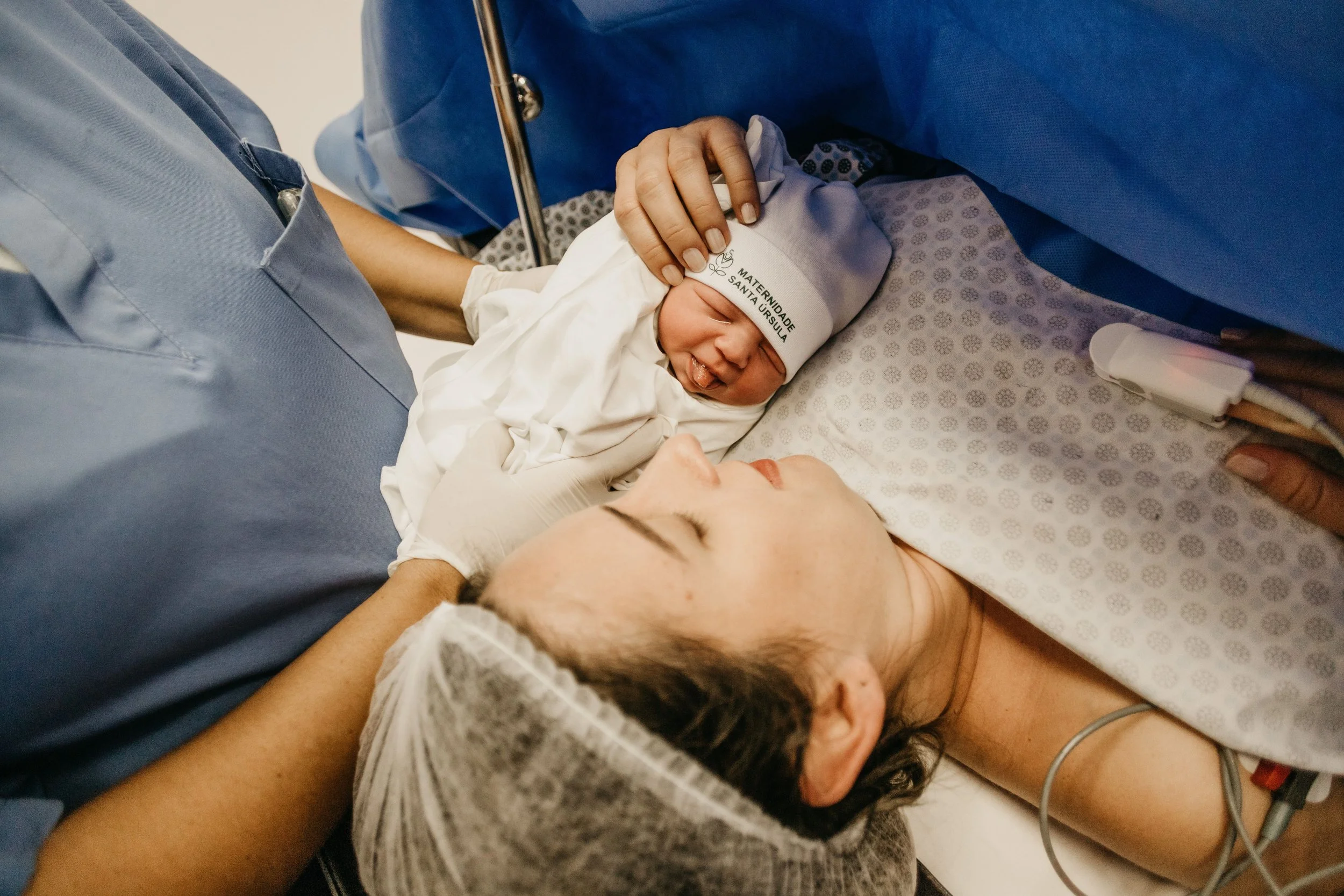
We spend months preparing for the arrival of a baby. We imagine what labor might look like, consider our birth preferences, and develop hopes for how we want to experience one of life's most significant transitions. Maybe you pictured an unmedicated birth, a calm environment, immediate skin-to-skin contact, or simply feeling supported and in control. But sometimes birth doesn't go according to plan.
An unexpected C-section, medical complications, interventions, separation from your baby, or feeling unheard during labor can leave an emotional impact that extends well beyond the delivery room. While the physical recovery from childbirth is often acknowledged, the emotional experience can be harder to talk about.
You can be grateful for your baby and still grieve the birth experience you hoped to have.
When Gratitude and Grief Coexist
For many new mothers, there can be an unspoken expectation to focus on the positive. You have a healthy baby. Everyone is home. The difficult part is over. So why are you still thinking about what happened?
You might feel disappointed, angry, sad, or even guilty for having these feelings. You may find yourself replaying certain moments, wondering what could have been different, or struggling to reconcile the birth you experienced with the one you had imagined.
These feelings don't mean you're ungrateful, and they certainly don't mean you love your baby any less. Gratitude and grief can exist at the same time. You can celebrate the arrival of your baby while also mourning an experience that didn't unfold the way you had hoped.
Understanding Birth Trauma
Not every unexpected or medically complicated birth is experienced as traumatic. And not every traumatic birth involves a medical emergency.
Birth trauma is deeply personal. What matters is not only what happened during labor and delivery, but also how the experience was felt and experienced by the person giving birth. Feeling frightened, powerless, unheard, unsupported, or unsafe can have a lasting emotional impact.
For some, the experience may show up as intrusive memories, distressing dreams, anxiety surrounding medical settings, difficulty talking about the birth, or feeling disconnected from the experience altogether. Others may notice increased irritability, sadness, or difficulty adjusting to life postpartum.
There is no single way that a difficult birth experience shows up, and there is no timeline for processing it.
Making Space to Process Your Experience
One of the most meaningful steps toward healing can be giving yourself permission to acknowledge what happened. This might mean telling your birth story to someone who can listen without minimizing your experience or immediately trying to find a silver lining.
Things you might try:
Allowing yourself to feel what you feel. You don't have to justify your disappointment or convince yourself that things could have been worse.
Talking about your experience. Sharing your story with a trusted friend, partner, or therapist can help you make sense of what happened.
Seeking support. A therapist with experience in perinatal mental health can help you process difficult emotions and, when appropriate, work through trauma-related symptoms.
Giving yourself time. Healing isn't linear, and you don't need to have everything figured out in the early weeks or months of parenthood.
Your Birth Story Is Part of Your Story, But It Doesn't Define You
There is no one right way to feel about your birth experience. You don't have to look back on it fondly, find meaning in every difficult moment, or convince yourself that everything happened for a reason. You deserve space to acknowledge the parts that were beautiful, the parts that were difficult, and the parts that still feel unresolved.
If your birth experience continues to weigh on you, please know that support is available. You don't need to be in crisis to benefit from talking with someone. You deserve care and compassion, too.
You brought a baby into the world, but you also went through something significant yourself. Your experience matters, and you deserve to have it heard.