By Jen Kost, MSW, LCSW, PMH-C
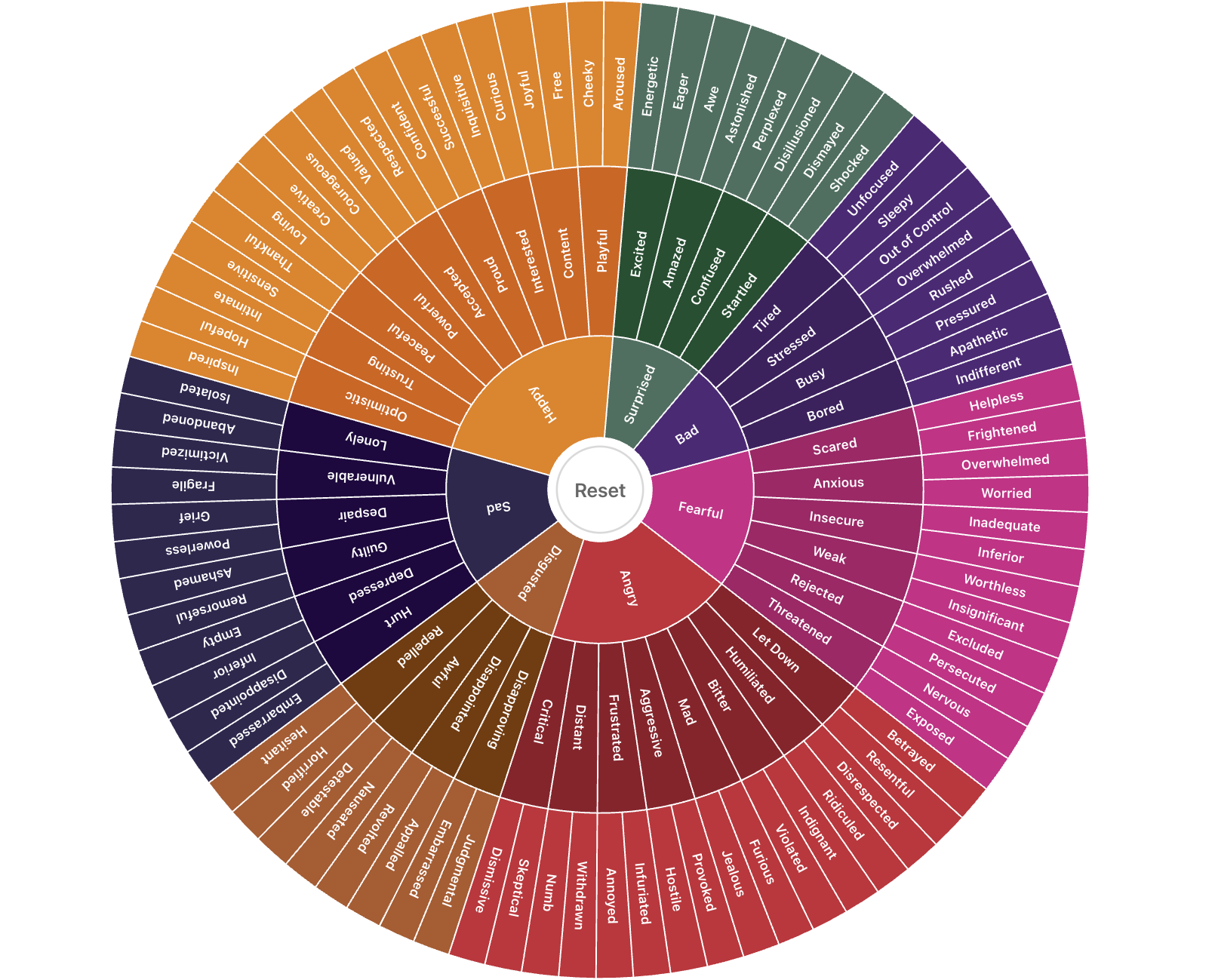
Click here to practice!
In the perinatal period, emotions can feel particularly complicated. Pregnancy, postpartum, fertility challenges, and the transition to parenthood bring significant changes, often leaving little time or space to process what is happening internally.
Sometimes, instead of feeling an emotion, the mind moves quickly into doing, fixing, planning, researching, or intellectualizing. These strategies can feel productive and even protective. Other times, an emotion comes out sideways through irritability, defensiveness, withdrawal, or pushing loved ones away.
But underneath the reaction, there is often a feeling that has not yet been acknowledged.
Maybe it's anger. Maybe it's sadness, resentment, scarcity, fear, or tenderness. Sometimes it's several feelings at once.
There is a difference between saying, "I'm frustrated because nobody is helping," and recognizing, "I'm feeling resentful, overwhelmed, and alone." The first describes the circumstances. The second begins to name the emotional experience underneath them.
Starting with the feeling word can change the entire conversation.
It creates an opportunity to move away from blame and toward self-understanding. Rather than reacting to a partner, family member, or friend, there is space to identify what is actually happening internally. Rather than immediately trying to solve a problem, there is an opportunity to acknowledge the emotion that needs attention.
This doesn't mean every feeling needs to be acted on, explained away, or resolved. Sometimes the most important step is simply allowing the feeling to exist without judgment.
For someone who is accustomed to being capable, productive, or the person who holds everything together, this can feel surprisingly uncomfortable. Naming sadness instead of staying busy, acknowledging resentment instead of withdrawing, or admitting fear instead of trying to control every outcome requires vulnerability.
A helpful starting point is to pause and ask:
What am I actually feeling right now?
What feeling is underneath my reaction?
What might this feeling be telling me that I need?
Can I name the feeling before trying to fix it?
Using a feeling word is a small but meaningful place to start. It can create more connection with the self, more clarity in relationships, and more opportunities for others to understand what is happening beneath the surface.
Sometimes, the most productive thing is to stop doing long enough to feel.