Thinking About Dads
By Jen Kost, MSW, LCSW, PMH-C
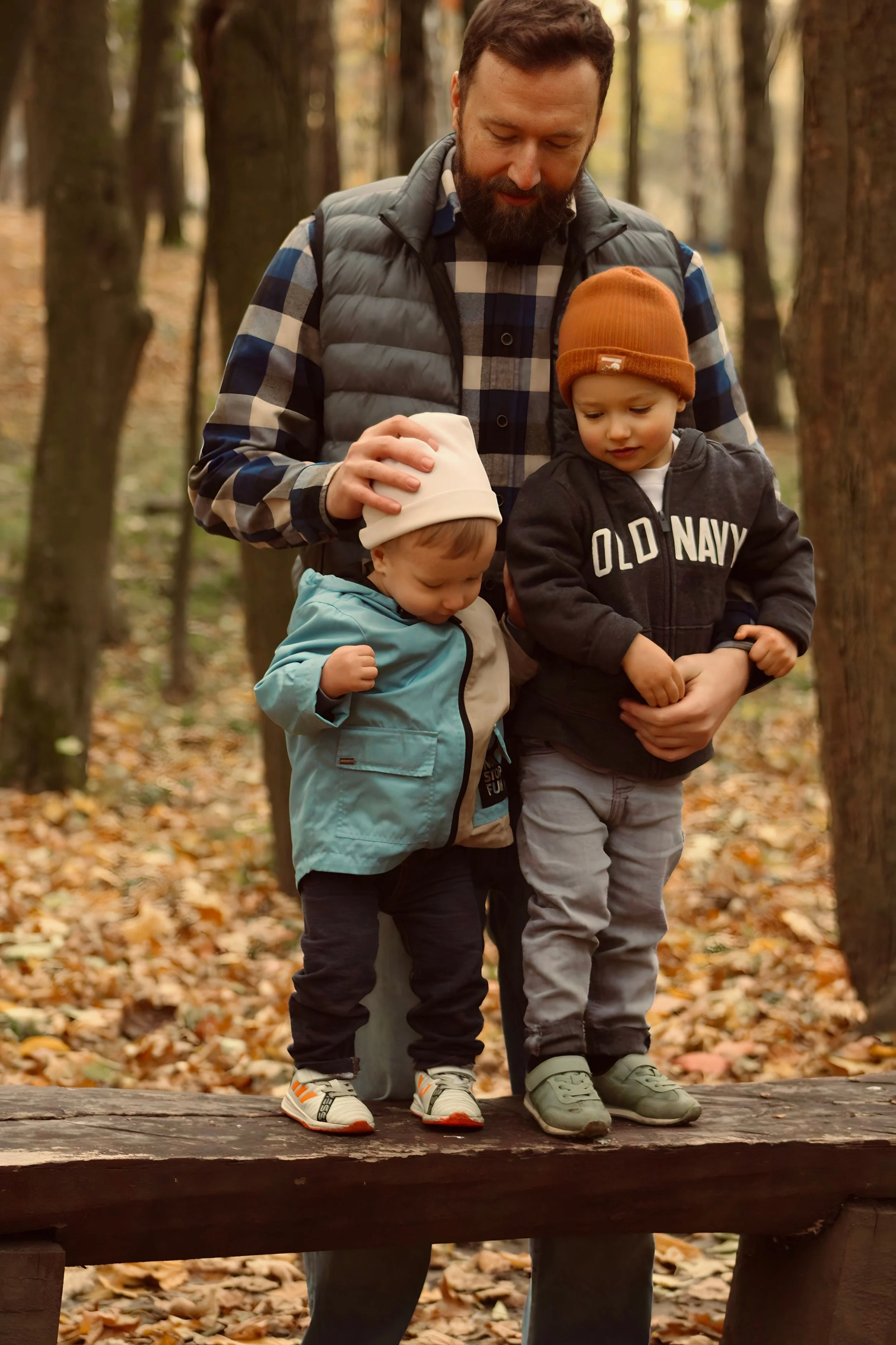
Father’s Day can be a complicated day. For many, it is a day that quietly holds grief, pressure, invisibility, and longing for many dads and partners during the perinatal period.
When we talk about pregnancy and postpartum mental health, the spotlight most often—and understandably—falls on birthing parents. But the truth I witness every day in my work is dads are carrying a tremendous emotional load during this season, often without language, permission, or space to be seen.
The Unspoken Weight of Becoming a Father
For many dads, pregnancy is the first time they come face-to-face with a profound lack of control. Their partner’s body is changing. The future feels both thrilling and terrifying. They’re expected to be steady, supportive, and strong—often while silently managing their own fear, uncertainty, and overwhelm.
Some dads feel deeply connected during pregnancy; others feel strangely peripheral, unsure of where they fit. That sense of “watching from the sidelines” can bring up guilt or shame, especially when cultural narratives insist they should feel nothing but joy.
And for dads who have experienced infertility, pregnancy loss, or birth trauma, this period can be laced with anxiety rather than celebration. Hope may feel fragile. Joy may feel dangerous.
Postpartum: When the Ground Shifts
The postpartum period can be especially disorienting for partners. Sleep deprivation, changes in intimacy, and the intense focus on a newborn can leave dads feeling invisible, lonely, or unsure how to help. Many describe a quiet grief for the relationship they once had with their partner—even as they fiercely love their growing family.
Dads often ask themselves:
Why do I feel so disconnected?
Is it selfish to miss my partner?
Why am I struggling when I’m supposed to be grateful?
These questions don’t make someone a bad parent. They make them human.
Partners are also at risk for their own perinatal mood and anxiety disorders—depression, anxiety, intrusive thoughts—yet are far less likely to be screened or supported. Many don’t seek help until they’re at a breaking point, if they seek it at all.
When Father’s Day Brings Grief
For some, Father’s Day opens old wounds.
It can stir grief for:
A strained or painful relationship with their own father
A father who is absent, emotionally or physically
A father who has passed away
The dad they hoped to be, but fear they’re not yet
Disappointment about their fertility journey
These layers of grief often go unacknowledged, yet they profoundly shape how someone steps into parenthood.
To the Dads Who Show Up
This Father’s Day, I want to offer something more expansive than a single definition of what it means to be a “good dad.”
To the dads who attend appointments, learn how to swaddle, and get up for night feeds.
To the dads who struggle quietly but keep showing up anyway.
To the dads navigating infertility, loss, or complicated family histories.
To the non-birthing parents, partners, stepdads, adoptive dads, queer dads, and father figures.
To the dads who are learning—sometimes painfully—how to parent differently than they were parented.
Your emotional life matters.
Your mental health matters.
Your presence matters.
Being an involved parent doesn’t mean being perfect or unshakable. It means being willing to stay, to repair, to grow, and to feel.
An Invitation
If you’re a dad or partner reading this and something resonates, know this: you are allowed to take up space in this story too. Support is not a failure of strength—it’s an act of care for yourself, your partner, and your child.
And if you’re loving a dad this Father’s Day, consider asking not just “What do you want to do today?” but also “How are you really doing?”
Sometimes, that question alone can be a quiet turning point.
Happy Father’s Day—to all the dads, in all their complexity, courage, and care.