I Didn’t Know What I Was Holding
By Kelly Smith, LCSW & Twin Mom
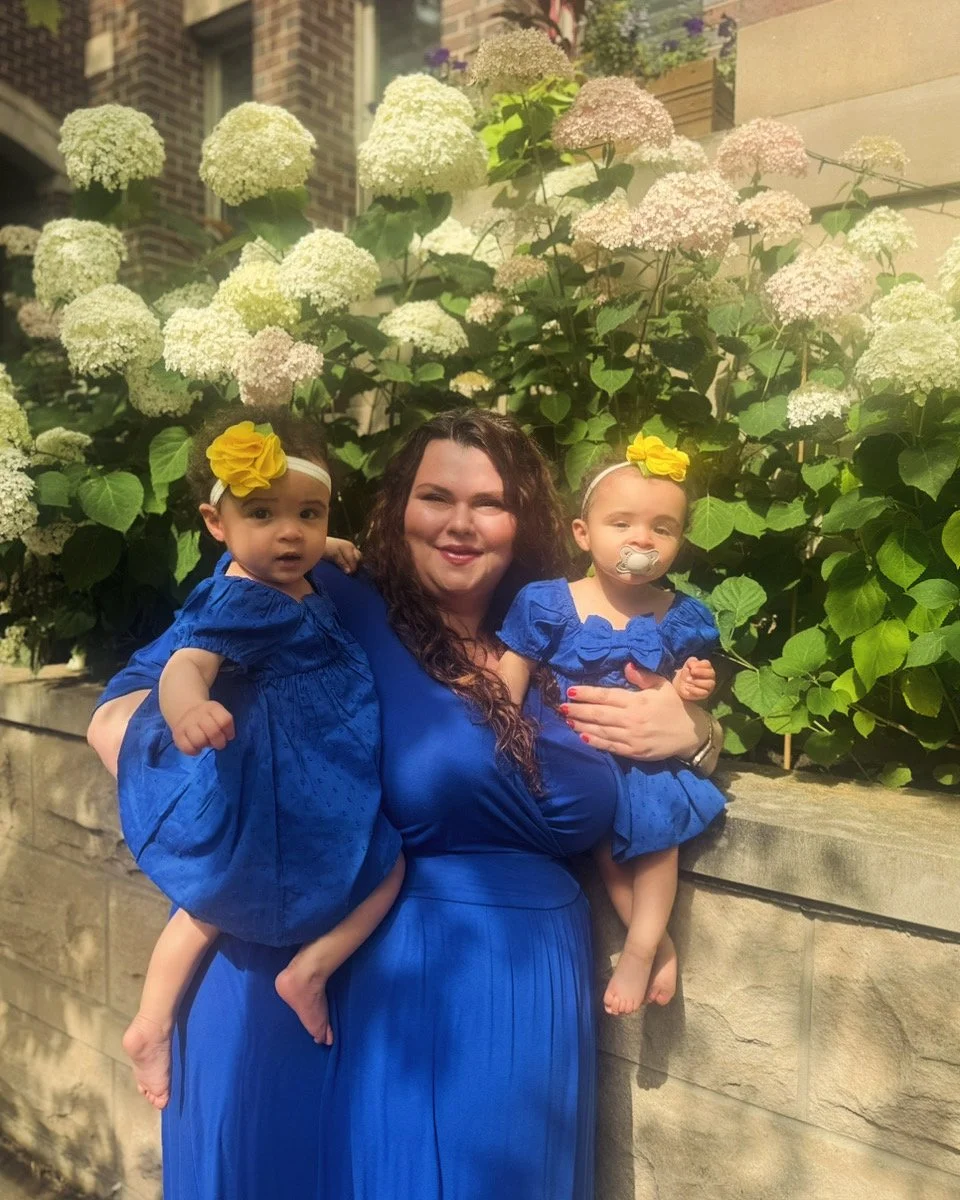
Motherhood has a way of breaking you open in the quietest ways. You fight through the parts that feel unbearable, swear you’ll never miss them—and then one day, you do. This is a reflection on bottles I once resented, and why, now that they’re gone, I didn’t know what I was holding.
I’m a solo parent of twins, and in the beginning, everything was bottles. Every three hours, without fail. Then the feeds stretched, but the ounces grew. At the peak, I was washing and prepping 12 to 14 bottles a day. My kitchen looked more like a factory line than a home.
They were formula-fed on a sensitive blend that cost me over $250 a month, and when they were hungry, there was no grace period. I trialed every bottle on the market until we landed on liners with one specific nipple. From there it was like clockwork: ordering nursery water, formula, liners—always with the low-grade panic that I might run out. Every night ended the same way: me at the sink, exhausted, scrubbing plastic parts under the hum of the faucet.
I didn’t even know ready-to-feed formula was a thing until much later. So anytime we left the house, I was packing like a traveling act: nursery water, powdered formula, bottles, liners, caps. All the moving parts. It was overwhelming. And honestly? I hated it.
I used to pray for the day they’d hold their own bottles. In those early months, before they could, I didn’t have free hands at all—every feed meant being pinned in place, two little mouths depending on me, two bottles balanced. It felt endless, suffocating even. I thought freedom would come when their hands finally wrapped around plastic, when they could do this one thing without me. And it did feel like a small miracle the first time they managed it.
But now, looking back, even that dependence feels like something holy—those fleeting months where only I could give them what they needed, even if it left me with nothing free of my own.
And here’s the thing about bottles: for all their inconvenience, they were dependable. They gave structure. When solids came into the picture, bottles were my safety net. If dinner flopped, if the girls were overtired, if we were out all day and meals got patchy—bottles filled the gap. They were the backstop that made everything else feel possible.
And then—suddenly—they were gone.
By their first birthday, the girls were already losing interest in milk. Then a blood test showed one twin’s iron was a little low, and the pediatrician suggested we cut bottles entirely. Just like that, we were done. No more safety net.
Now at 13 months my life is food, food, food. Three meals, two snacks, every day. I batch cook spinach bolognese. I mash avocado with chia seeds and olive oil. I slice strawberries into perfect half-moons and mash blueberries by hand. I try to sneak calcium in anywhere I can. And then I clean up. Reset. Start over. It never ends. With twins, every task is doubled, every mess multiplied. Some days, when I look at my grocery cart, I swear I’m feeding three adults instead of myself and two toddlers.
I used to think bottles were the most tedious, joyless part of parenting. But now I see them differently. They were simple. They were what I knew. They gave our days rhythm and our nights structure.
And maybe that’s the lesson of motherhood: you hate what you’re in, until it’s gone—and then you miss it. Because you realize it was yours. It was fleeting. And it was simpler than the mountain you’re climbing now.
And when that realization hits, it cracks you open. Because every stage you thought you couldn’t survive, every part you swore you’d never miss… you do. And suddenly, even the bottles you once resented become something tender you’d give anything to hold again.
I didn’t know what I was holding.