Pain Is Not the Problem: What Birth Teaches About Tension and Being Human
By Jen Kost, MSW, LCSW, PMH-C
From both a perinatal mental health therapist and doula perspective, one of the most misunderstood aspects of birth is pain. Pain is often framed as something to eliminate, escape, or conquer. Yet physiologically and emotionally, birth requires sensation. Uterine contractions are not a malfunction. They are the mechanism by which birth happens. The body is not betraying the birthing person. It is doing exactly what it is designed to do.
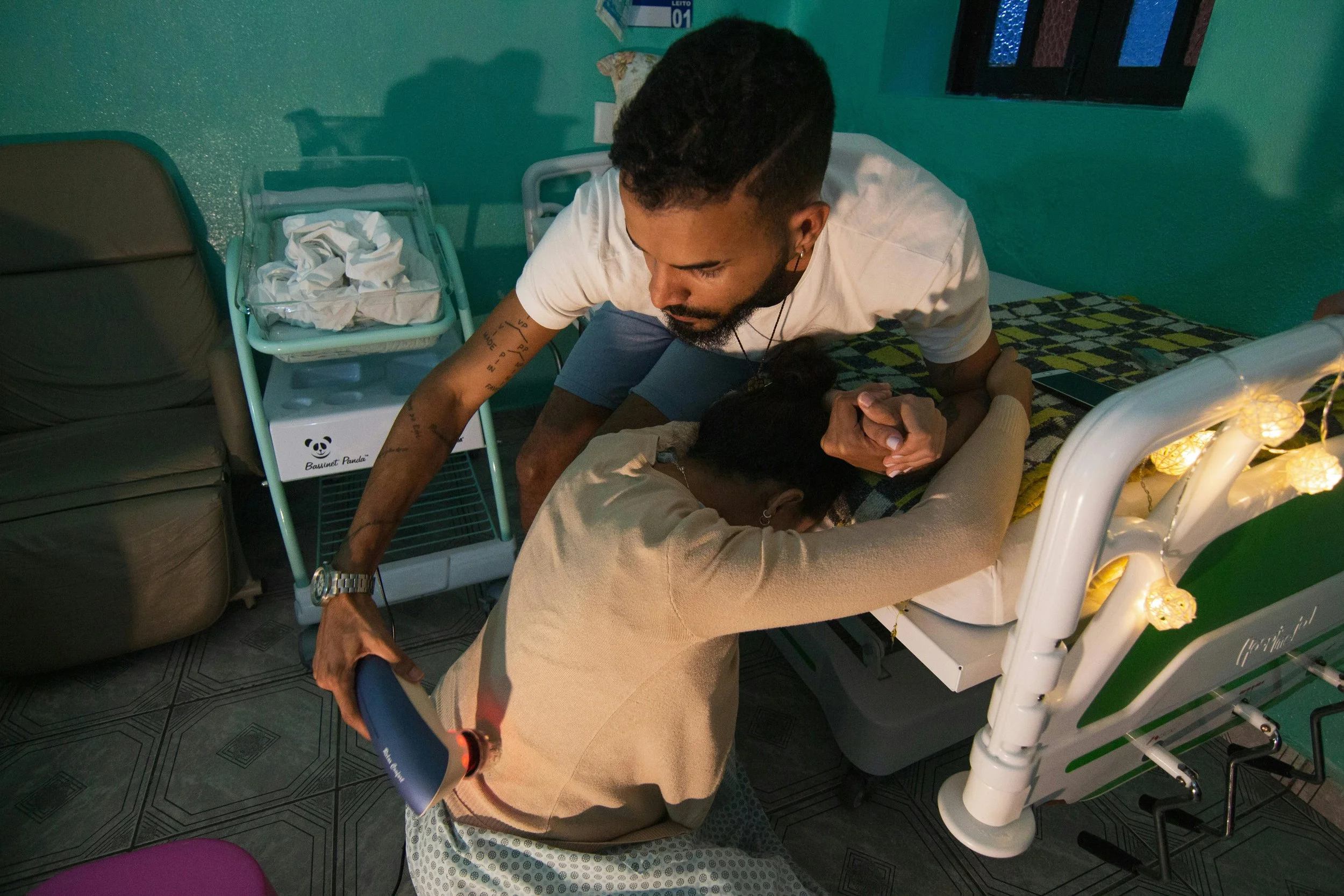
What tends to increase suffering in birth is not pain itself, but tension layered on top of it. When someone braces against a contraction, holds their breath, tightens their jaw, or fights the sensation, the body interprets danger. Muscles constrict, oxygen decreases, and pain intensifies. When the same contraction is met with softening, movement, sound, and breath, the sensation often becomes more manageable. The contraction still rises and falls, but it can be ridden like a wave rather than resisted like a threat.
This principle extends far beyond the birth room. Human nervous systems are shaped by the same pattern everywhere. Pain, discomfort, grief, uncertainty, and fear are unavoidable parts of being alive. What amplifies suffering is the effort to make those experiences stop immediately or to convince oneself that they should not be happening. The mind tightens. The body follows.
Acceptance based approaches in therapy invite a different posture. Acceptance does not mean liking pain or resigning oneself to harm. It means acknowledging what is present without adding layers of judgment, panic, or self blame. In birth, this looks like trusting the body to open rather than clench. In life, it looks like allowing emotions to move through without attempting to suppress, fix, or outrun them.
Tension often comes from the belief that something has gone wrong. During labor, a contraction can trigger the thought that it is too intense or that the body cannot handle it. In daily life, emotional pain can trigger beliefs that something is broken, unfixable, or unsafe. In both cases, the system tightens in response to perceived threat. Learning to notice that tightening and gently soften it can change the entire experience.
Birth teaches that pain has a rhythm. Contractions peak and recede. Between them, there is rest. Emotional pain follows a similar pattern when it is allowed to move. Feelings come, shift, and eventually pass when they are not held in place by resistance. When tension is released, capacity expands.
This does not mean that all pain is necessary or that suffering should be romanticized. It means that some forms of pain are part of growth, transition, and change. Birth is a threshold. So are grief, identity shifts, parenthood, and healing. Thresholds are rarely painless. They do, however, ask for presence rather than opposition.
In both therapy and birth work, the most transformative moments often come when someone realizes they can stay. They can breathe through the intensity. They can feel without being overtaken. They can trust that the wave will move. That skill is not only useful in labor. It is a practice for being human.